Custom Suits Manufacturing: A Guide for Businesses and Brands
Choosing the right custom suits manufacturer is an important decision for clothing brands, uniform suppliers, hotels and businesses. The right supplier should understand your design requirements, fabric preferences, fit standards and production needs.
Whether you are sourcing corporate suits, developing a private-label collection or ordering uniforms for a hospitality team, understanding the manufacturing process can help you make better purchasing decisions.
In this guide, we explain custom suit manufacturing, fabric options, construction details and the key factors to consider when selecting a manufacturing partner.
What Does a Custom Suits Manufacturer Do?
A custom suits manufacturer produces suits according to a customer’s specifications. Depending on the project, customization may include fabric selection, colors, fit, jacket construction, buttons, linings, labels and packaging.
For business customers, custom suit manufacturing commonly serves several types of projects.
- Corporate suits: Professional clothing for office staff, management teams and client-facing employees.
- Hotel and hospitality uniforms: Coordinated suits for reception teams, concierge staff, hotel managers and other hospitality professionals.
- Private-label suits: Clothing brands can sell these products under their own labels.
- Custom businesswear: Professional garments for companies, uniform distributors and commercial clothing programs.
The appropriate manufacturing approach depends on the intended use, order quantity, target budget and required level of customization.
If you are sourcing more than suits, explore BREEZO’s custom apparel manufacturing services for other business clothing requirements.
How to Choose Fabric for Custom Suits
Fabric selection affects a suit’s appearance, comfort, durability and maintenance requirements. Before confirming a material, consider where the suits will be worn and how frequently they will be used.
Wool and Wool Blends for Custom Suits
Wool is widely used in suiting because of its appearance, drape and natural temperature-regulating properties. By blending wool with synthetic fibers, manufacturers can adjust durability, wrinkle resistance and cost to meet different requirements.
Polyester Blends for Corporate Suits
Polyester and blended fabrics are often considered for uniforms that require practical maintenance and repeated use. Depending on the construction, they may offer useful durability and wrinkle-resistance characteristics.
For hotels, corporate teams and other uniform programs, evaluate appearance retention, comfort and care instructions alongside the initial price.
Stretch Fabrics for Custom Business Suits
Fabrics containing elastane or other stretch components can improve freedom of movement. This may be useful for employees who spend long periods standing, walking or interacting with customers.
The amount of stretch should be balanced with the desired structure and appearance of the suit.
Before placing a bulk order, request fabric samples and confirm composition, weight, color consistency and care requirements.
Key Details in Custom Suits Manufacturing
A successful custom suit project requires attention to more than fabric and color. Design and construction details should be confirmed before sampling.
Fit and Silhouette for Custom Suits
Decide whether the preferred style is slim, regular or relaxed. For corporate uniforms, the fit should accommodate different body types while maintaining a consistent professional appearance.
Jacket Construction and Lapel Design
Lapel shape, shoulder structure, front closure and pocket design influence the overall look. Buyers should also clarify the construction method and required level of internal support.
Trousers and Matching Pieces
Trouser fit, waistband construction, pocket placement and finishing should complement the jacket. Depending on the project, matching vests or additional uniform pieces may also be required.
Branding and Labels for Private-Label Suits
Private-label projects may include woven labels, care labels, size labels, branded buttons and customized packaging. Buyers should approve all branding details before production begins.
Color Consistency in Bulk Suit Manufacturing
For orders covering multiple employees, locations or delivery batches, consistent fabric color is particularly important. Approved reference samples can help reduce differences between production runs.
The Custom Suits Manufacturing Process
A professional custom suits manufacturer should establish a clear process from initial requirements to final delivery.
Step 1: Define Your Custom Suit Requirements
Start with the intended application, design references, quantity, size range, target price and delivery schedule. For corporate uniforms, consider the number of employees and whether additional orders will be needed in the future.
Step 2: Select Fabrics and Components
Review suitable fabrics, linings, buttons and other components. The supplier should explain the available options and how they affect the finished product.
Step 3: Develop and Approve Suit Samples
Samples allow buyers to evaluate fit, appearance, workmanship and overall quality before committing to bulk production.
Record any necessary adjustments clearly. Manufacturers can use approved samples as a reference for future production.
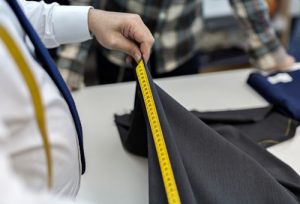
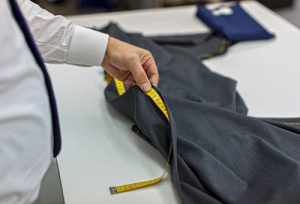
Step 4: Confirm Measurements and Specifications
Establish a clear size chart and document key measurements, construction details, tolerances and labeling requirements.
For large uniform programs, a well-defined sizing system can simplify distribution and future replenishment.
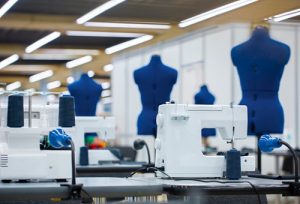
Step 5: Begin Bulk Suit Production
Once the specifications and samples are approved, production can proceed according to the agreed schedule.
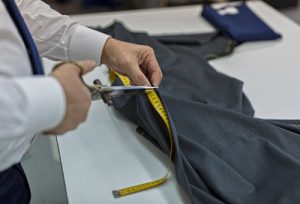
Quality checks should cover relevant manufacturing stages, including fabric inspection, sewing, pressing, finishing and final inspection.
Step 6: Complete Final Inspection and Delivery
Before shipment, confirm quantities, sizes, appearance, packaging and shipping requirements. For suits that need to retain their shape during transportation, appropriate garment protection and packing methods should also be discussed.
Clear communication throughout these stages helps reduce avoidable errors and delays.
How to Choose a Custom Suits Manufacturer for Bulk Orders
Finding the right custom suits manufacturer is important for clothing brands, uniform distributors and corporate buyers.
Start by checking the supplier’s experience with corporate businesswear, hospitality uniforms and private-label collections. You should also ask how the team manages fabric sourcing, sample revisions and measurement specifications.
Quality control deserves equal attention. Discuss how the manufacturer checks materials, monitors production and inspects finished suits before shipment.
Before placing an order, confirm the minimum order quantity, sampling timeline, production capacity and delivery schedule. Clear communication and written specifications can help both parties avoid misunderstandings.
Buyers can also learn about quality management systems through the International Organization for Standardization (ISO). However, certification is only one factor to consider alongside product samples, inspection procedures and manufacturing experience.
The lowest quoted price is not necessarily the most cost-effective option. Compare product specifications, workmanship, quality controls and delivery arrangements before making a decision.
Custom Suits for Hotels, Businesses and Clothing Brands
Different customers have different priorities when sourcing custom suits.
Hotels and hospitality businesses may prioritize a professional appearance, employee comfort, durability and easy maintenance. Uniform suppliers may focus on coordinating multiple sizes, meeting project budgets and managing delivery schedules.
Clothing brands, meanwhile, may require private-label manufacturing, consistent product specifications and flexibility in developing their own collections.
A suitable manufacturing partner should understand the intended application and help translate the buyer’s requirements into clear product specifications.
For repeat orders, maintaining records of approved fabrics, measurements, construction details and labels can also make future production more consistent.
Why Work with BREEZO for Custom Apparel Manufacturing?
BREEZO works with business customers seeking custom apparel manufacturing solutions, including OEM and ODM projects, workwear, corporate clothing and other customized garments.
For custom suit projects, the process starts with understanding the intended application, design requirements, fabric preferences, order quantity and target budget. These details help establish the appropriate development and production approach.
Whether you are sourcing corporate clothing, developing a private-label apparel collection or planning a uniform program, clear specifications and sample approval are essential steps toward a successful order.
If you are looking for a manufacturing partner for your next apparel project, visit BREEZO’s website to learn more about our apparel manufacturing services.
Share your suit design, estimated quantity, target market and preferred delivery schedule to start the conversation.