
Custom Hoodie Manufacturer: A Guide to Fabrics, Printing and Bulk Orders
Choosing the right custom hoodie manufacturer is an important step for clothing brands, promotional companies, and businesses ordering hoodies in bulk. Fabric weight, material composition, printing, embroidery, and sizing all affect the final product. Before placing a bulk order, buyers should understand these options and make sure the manufacturer can meet their specifications.
Custom hoodies are used for much more than casual clothing. Clothing brands sell them as part of seasonal collections, companies use them for employee apparel, and promotional businesses include them in merchandise programs, events, and branded giveaways.
Although a hoodie looks like a relatively simple garment, getting the details right takes planning. The fabric affects how it feels and drapes. Printing and embroidery need to suit the material, while sizing, color consistency, and finishing all matter when an order moves into bulk production.
For businesses sourcing custom hoodies, the challenge is not simply finding a factory that can put a logo on a sweatshirt. It is finding a manufacturing partner that can turn a product specification into a garment that works for the intended market.
This guide covers the main decisions to make before placing a custom hoodie order, from fabric selection to production and quality control.
1. What Can You Customize When Manufacturing Hoodies?
The first step is to decide what kind of hoodie you need. A basic promotional hoodie and a heavyweight hoodie for a clothing brand may look similar in a product photo, but their specifications can be quite different.
A custom hoodie manufacturer can work with several areas of the garment, depending on the design, materials, and production requirements.
Fabric: Choose the fiber composition, fabric weight, surface texture, and interior finish.
Fit: Options include regular, relaxed, oversized, and more structured silhouettes.
Construction: Details may include a pullover or zip-up design, kangaroo pocket, side pockets, ribbed cuffs, ribbed hem, drawcords, and hood shape.
Color: Standard colors may simplify sourcing, while custom-dyed colors can help a brand maintain a consistent visual identity.
Branding: Printing, embroidery, woven labels, printed neck labels, hangtags, and custom packaging can all be considered.
Finishing: Depending on the fabric and design, options may include garment washing or other finishing treatments.
Not every option is suitable for every order. For example, a custom fabric color may require a higher minimum quantity, while an intricate embroidery design can affect production time and cost.
It is best to establish the key specifications early rather than add details one by one after sampling has started.
2. How to Choose the Right Fabric for Custom Hoodies
Fabric selection affects comfort, appearance, durability, and cost. It should be based on how the hoodie will be used, not just on which material is cheapest.
Cotton Hoodies
Cotton is widely used in casualwear because it has a soft hand feel and good breathability. It is a common choice for lifestyle brands, corporate apparel, and everyday hoodies.
However, cotton fabrics can vary considerably. Yarn quality, knitting structure, fabric weight, and finishing all affect the final garment.
Cotton can also shrink or change shape if the fabric and garment are not properly controlled during production. For bulk orders, it is worth checking shrinkage and washing performance before approving the final sample.
Cotton-Polyester Blends
Cotton-polyester blends combine properties of both fibers. Cotton contributes a familiar natural hand feel, while polyester can improve dimensional stability and help the fabric retain its shape, depending on the construction.
The exact blend ratio matters, but it does not tell the whole story. A 50/50 blend and a fabric with a higher cotton content may feel very different because of their yarns, knitting, brushing, and finishing.
Blended fabrics are often worth considering for company hoodies, promotional merchandise, and products that need to balance comfort with practical wear.
Polyester Hoodies
Polyester-based fabrics can be useful when durability, moisture management, or a particular performance requirement is important. They are also relevant to some sportswear and teamwear applications.
However, polyester is not automatically the best option for every performance garment. The fabric construction and finishing need to match the intended use.
Fleece and French Terry
The interior structure is another important decision.
Fleece typically has a brushed or raised inner surface that gives the garment a warmer, softer feel. It is often chosen for autumn and winter hoodies.
French terry generally has looped yarns on the inside rather than a fully brushed surface. Depending on its weight and construction, it can work well for lighter layers and year-round casualwear.
Neither is universally better. A heavyweight fleece hoodie may suit a winter collection, while French terry may be more appropriate for a lighter promotional garment.
For general information about cotton fiber and textile properties, buyers can also refer to CottonWorks.
3. What GSM Is Best for Custom Hoodies?
GSM means grams per square metre. It is a measure of fabric weight and one of the specifications buyers commonly use when comparing hoodie materials.
There is no single GSM that works for every hoodie. The right weight depends on the fabric construction, intended season, desired fit, and target price.
As a general starting point, buyers may consider the following ranges:
| Fabric weight | Typical application |
|---|---|
| 200–260 GSM | Lightweight hoodies and lighter layering |
| 260–320 GSM | Everyday hoodies and many promotional programs |
| 320–400 GSM | Heavier casualwear and more substantial styles |
| Above 400 GSM | Selected heavyweight or oversized designs |
These ranges are indicative, not fixed industry standards. A brushed fleece and a French terry fabric at the same GSM can feel quite different. Fiber composition, yarn structure, and finishing also influence warmth, drape, and softness.
When requesting samples, compare more than the number on the specification sheet. Check the fabric’s thickness, surface, stretch, recovery, and how the finished garment hangs on the body.
For a clothing brand, the right weight should support the intended product positioning. For promotional orders, it also needs to make sense for the budget and the conditions in which people will wear the garment.
4. Printing or Embroidery: Which Is Better for Custom Hoodies?
The branding method affects both appearance and production cost. The best choice depends on the artwork, fabric, order quantity, and desired finish.
Screen Printing
Screen printing is commonly used for bold graphics, logos, and larger designs. It can be suitable for bulk orders, especially when the artwork uses a manageable number of colors.
Setup requirements and costs vary with the design and production method. Very detailed artwork or many print colors may need additional preparation.
Direct-to-Film Printing
Direct-to-film (DTF) printing transfers a printed design onto the garment using a heat-application process. It can accommodate multicolor artwork and detailed graphics.
Its suitability depends on the design size, fabric, and required appearance. Buyers should evaluate the feel of the printed area as well as the visual result.
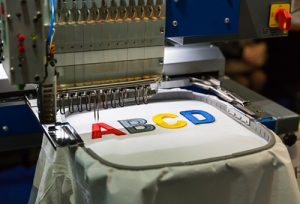
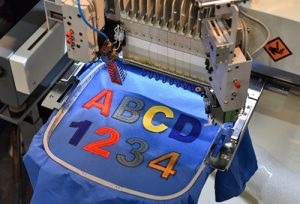
Embroidery
Embroidery creates a stitched logo and is often chosen for a more textured, durable-looking finish. It can work well on chest logos, sleeves, and other relatively compact placements.
However, embroidery is not ideal for every design. Very small lettering and intricate details may not reproduce clearly, and dense stitching can add weight or cause puckering on some fabrics.
Which Method Should You Choose?
| Requirement | Method worth considering |
|---|---|
| Bold graphics for promotional hoodies | Screen printing |
| Multicolor or detailed artwork | DTF printing |
| Small company or brand logo | Embroidery |
| Large graphic with a specific visual effect | Compare samples of suitable methods |
These are starting points rather than strict rules. Ask the manufacturer to recommend a method based on the actual artwork and fabric, then approve a sample before bulk production.
If a hoodie combines embroidery, printing, woven labels, and special finishing, confirm how each element will be applied and inspected.
5. Pullover or Zip-Up Hoodies?
The choice between a pullover and a zip-up hoodie changes the look, construction, and practical use of the garment.
Pullover hoodies have a simple front construction and are often selected for casualwear collections, merchandise, and relaxed corporate apparel. A kangaroo pocket is a common feature, although the pocket design can be changed.
Zip-up hoodies are easier to put on and take off without pulling the garment over the head. They can also work well as a layering piece for staff uniforms and outdoor use.
The zipper adds another component that needs to be specified and checked. Its length, finish, color, and quality should match the garment design.
For either style, buyers should confirm the hood dimensions, drawcord details, pocket construction, cuff and hem ribbing, and overall fit. Small construction differences can noticeably change the finished product.
6. What Is the MOQ for Custom Hoodie Orders?
MOQ stands for minimum order quantity. It is the smallest order a supplier is willing to accept under specified production conditions.
There is no universal MOQ for custom hoodies. It depends on the factory, fabric availability, color requirements, garment construction, branding methods, and whether the order uses existing materials or custom-developed ones.
For example, a hoodie using an available fabric and standard color may be easier to produce in a smaller quantity than one requiring a custom-dyed fabric, special trims, and several unique colorways.
It is also important to distinguish between the total order quantity and the quantity per color or design. A buyer ordering 1,000 hoodies across five colors should confirm whether the factory’s minimum applies to the whole order or to each individual color.
When requesting a quotation, provide as much information as possible:
- Estimated quantity per style and color
- Fabric composition and target GSM
- Pullover or zip-up construction
- Printing or embroidery requirements
- Size range and size breakdown
- Labeling and packaging requirements
- Required delivery date and destination
With these details, a manufacturer can give a more useful quotation and identify any requirements that may affect the MOQ.
If the design is still being developed, ask which specifications can use existing materials and which would require custom development. This can help you evaluate cost and flexibility before committing to bulk production.
7. Why Sampling Matters Before Bulk Hoodie Production
A product specification can describe a hoodie, but a sample shows how those specifications work together.
Before approving a bulk order, buyers should review the fit, fabric, color, construction, branding, and finishing. If the garment is intended for a clothing brand, the sample should also be checked against the brand’s product requirements and size chart.
A typical development process may include the following stages:
1. Specification review: Confirm the design, measurements, fabric, colors, trims, and branding requirements.
2. Sample development: Produce a sample based on the agreed specifications.
3. Sample evaluation: Check fit, measurements, appearance, fabric hand feel, and construction.
4. Revisions: Adjust the pattern or details if the sample does not meet the requirements.
5. Final approval: Confirm the approved sample and production specifications before bulk manufacturing begins.
The exact process varies by project. Some products need several rounds of sampling, especially when the fit is new or the fabric is being developed specifically for the order.
Changes should be recorded clearly. If a buyer approves one fabric weight or logo placement during sampling but requests something different for bulk production, the final specification needs to reflect the agreed change.
This reduces confusion and gives both parties a clearer reference during manufacturing.
8. What Quality Checks Matter for Bulk Hoodie Orders?
Quality control should start before the finished hoodies reach the packing stage.
For custom hoodie production, several areas deserve particular attention.
Fabric quality: Check the material against the approved specification, including composition, weight, color, and visible defects.
Measurements: Compare garment measurements with the approved size chart and agreed tolerances.
Construction: Inspect seams, stitching, pocket attachment, ribbing, zippers, and drawcords.
Branding: Confirm logo placement, dimensions, color, stitching, and print appearance against the approved artwork and sample.
Color consistency: Check whether garments within the order are consistent with the approved color standard.
Finishing and packing: Look for stains, loose threads, damage, and packing errors. Confirm that labels, size markings, and quantities are correct.
The inspection plan should be agreed before production. For larger orders, buyers may also specify a sampling inspection method and an acceptable quality level, depending on their requirements.
A final inspection is useful, but it should not be the only quality checkpoint. Problems are usually easier to correct when they are identified during material preparation, sample review, or production rather than after the entire order is finished.
9. How to Choose a Custom Hoodie Manufacturer for Bulk Orders
A supplier’s quotation is important, but price alone does not tell you whether the supplier is suitable for your project.
Before placing an order, consider these questions.
Can the Manufacturer Work from Your Specifications?
A capable partner should be able to review your tech pack, measurements, artwork, fabric requirements, and construction details. If you do not have a complete tech pack, clarify what information is needed to develop the sample.
Can the Factory Explain Material Options?
You should receive clear information about fabric composition, weight, availability, and any limitations that could affect the design or budget.
Is the Sampling Process Clear?
Ask how samples are developed, what is included in the sampling cost, how revisions are handled, and when bulk production can begin.
Are Production Timelines Realistic?
Fabric sourcing, custom dyeing, sampling, approval, bulk manufacturing, and shipping all take time. A reliable quotation should identify the main stages rather than provide an unexplained delivery promise.
How Is Quality Managed?
Ask which checks are carried out, how specifications are confirmed, and how quality issues are handled if something does not meet the agreed requirements.
Can the Supplier Support Your Branding Needs?
Private-label orders may require custom neck labels, care labels, hangtags, packaging, and specific logo applications. Confirm these details early, especially when several components must match.
The right manufacturer is not necessarily the one offering the lowest initial price. It is the one that understands your requirements, communicates clearly, and can produce the agreed garment consistently at the required scale.
10. Custom Hoodies for Brands, Businesses, and Promotional Companies
Different buyers often need different things from the same basic garment.
For clothing brands and private labels, fit, fabric hand feel, construction details, and consistency across a collection may be the main priorities. The hoodie needs to fit the brand’s product range and price positioning.
For promotional products companies, logo reproduction, color options, order quantities, and delivery schedules are often central to the project. The garment also needs to suit the event or campaign for which it is being purchased.
For businesses and corporate teams, comfort, durability, branding, and repeat-order consistency can matter more than fashion-driven details. The hoodie may be part of employee apparel, team clothing, or a wider uniform program.
For sports clubs and organizations, fabric performance, freedom of movement, and practical construction may deserve more attention, depending on how the hoodie will be used.
These requirements are not interchangeable. A fabric that works for a heavyweight lifestyle collection may not be the best choice for a lightweight event hoodie. Likewise, an embroidery design suitable for a small chest logo may not work for a large, detailed graphic.
Start with the end use, then work backward to the specifications.
11. Custom Hoodie Manufacturing with BREEZO
At BREEZO, we work with businesses looking for custom apparel manufacturing, including OEM and private-label production.
For a custom hoodie project, the first step is to establish what the garment needs to achieve. That includes the intended use, target market, fabric preferences, fit, branding, order quantity, and delivery requirements.
If you already have a tech pack, it provides a useful starting point for reviewing the specifications. If the design is still at an early stage, the key requirements can be discussed before the product moves into sampling.
Clear specifications help keep the development process organized. They also make it easier to compare material options, evaluate costs, and establish a reference for bulk production.
Whether the project is for a clothing collection, corporate apparel, or promotional merchandise, the objective is the same: to develop a garment that meets the agreed requirements and can be produced consistently.
For more information about our manufacturing services, visit the BREEZO OEM & ODM Manufacturing page.
Frequently Asked Questions
What is the best fabric for custom hoodies?
Cotton, cotton-polyester blends, and polyester fabrics can all be suitable. The best choice depends on the intended use, desired hand feel, fabric weight, performance requirements, and budget. Fleece and French terry also provide different interior textures and levels of warmth.
What GSM should I choose for a hoodie?
Many everyday hoodies fall within approximately 260–320 GSM, while heavyweight styles may use heavier fabrics. These are only general guidelines. The best weight depends on fabric construction, season, fit, and the intended product.
Can I add my own logo to custom hoodies?
Yes. Depending on the design and fabric, branding options can include screen printing, DTF printing, embroidery, woven labels, printed neck labels, and custom hangtags. The method should be selected according to the artwork and garment requirements.
What information is needed for a hoodie quotation?
Provide the design or reference image, fabric composition, target GSM, color options, size range, estimated quantity, branding requirements, packaging details, delivery destination, and target delivery date. A tech pack is helpful when available.
How long does custom hoodie production take?
The timeline depends on sampling, material availability, custom colors, order quantity, branding, and shipping arrangements. Confirm the schedule with the manufacturer after the specifications have been reviewed.
Should I approve a sample before ordering in bulk?
Yes. A sample allows you to check the fit, fabric, construction, color, and branding before committing to bulk production. Any approved changes should be documented in the final specifications.
Final Thoughts
Ordering custom hoodies involves more decisions than choosing a color and adding a logo. Fabric, GSM, construction, branding, sizing, and quality control all affect the final result.
For buyers, the most practical approach is to define the product requirements early, review a sample carefully, and work with a manufacturer that understands both the garment and the purpose behind the order.
A well-planned specification gives everyone involved a clearer target—and makes it easier to move from the first sample to consistent bulk production.